
Our Product
The Mobius ZERO represents a transformational leap in aerial technology—a fully optional piloted vehicle reimagined to incorporate hydrogen-powered propulsion and next‑generation storage systems. Designed for long-endurance ISR (Intelligence, Surveillance & Reconnaissance) missions, it delivers enhanced payload capacity and extended range with a minimal carbon footprint.
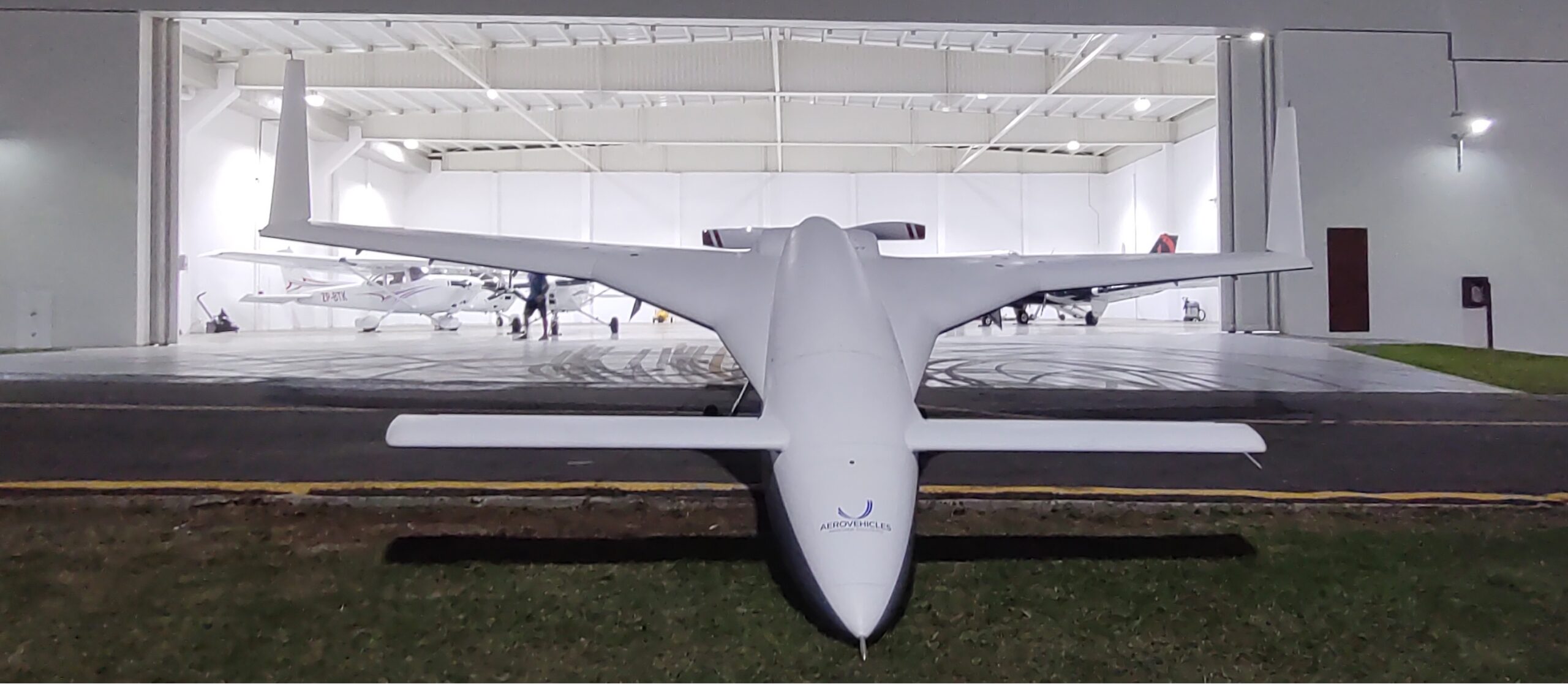
Mobius ZERO – Hydrogen-Powered
Why Hydrogen Makes the Difference
Cutting‑Edge Storage Technology
Mobius ZERO employs innovative hydrogen tank systems engineered to be both lighter and stronger than traditional options. These self-contained pressure tanks distribute internal stress safely and prevent total release upon breach—dramatically increasing safety without compromising weight limits.
Superior Endurance & Efficiency
By transitioning to hydrogen fuel cells, the platform achieves significantly improved flight duration and operational range. The result: longer missions, fewer refueling stops, and greater mission flexibility.
Lower Lifecycle Costs
Hydrogen propulsion reduces operational expenditures while enhancing optional piloted performance, setting new benchmarks for cost-efficiency in unmanned aircraft systems.
Zero Emissions
Powered by clean hydrogen, the Mobius ZERO emits no carbon—reinforcing its role as a green, future-focused OPV solution for global surveillance, environmental monitoring, and more
Fuel efficiency
Achieve longer flight times with hydrogen storage tanks, leading to higher fuel efficiency and extended range.
Cost-effective
Hydrogen fuel-cells reduce the costs of operation and increase Berkut Zero's performance.
Improved safety
The hydrogen fuel-cells manufacturing process provides most safety than standard fuel-cells.
Sustainable solution
A clean energy source that produces zero emissions.
Engineered for the Future
With hydrogen storage tanks live-tested under real aviation conditions, Mobius ZERO is already paving the way for scalable adoption. Adaptations currently underway include integration into optionally-piloted (OPA) and piloted (ISR) versions of the Berkut platform—broadening flexibility and overall mission scope.

